Powell River General Contractor: Reliable Property Improvement Services for Homes
How to Pick the Best General Contractor for Your Next Home Project
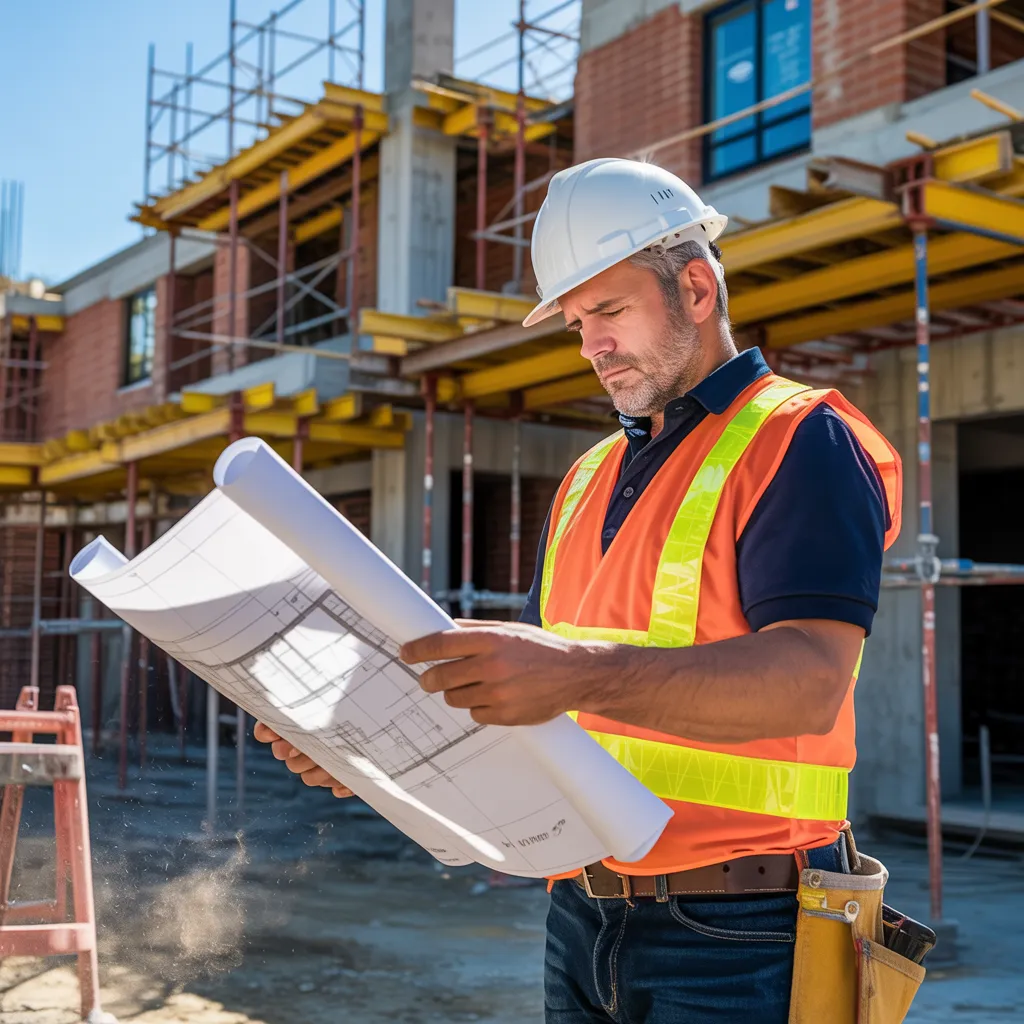
Determining the best construction partner for a home project is an important determination. This requires thorough analysis of assorted elements, including expertise, qualifications, and interpersonal skills. Many property owners disregard key considerations, causing financial hardships. Understanding how to appraise candidate contractors can create meaningful change. By stressing primary standards and posing appropriate questions, you can work through this complicated undertaking far more effectively. What are the critical measures to confirm a rewarding partnership?
How to Avoid Common Pitfalls When Selecting a Builder
When choosing a contractor, how can one cope with the myriad of alternatives without falling into common traps? Prospective clients often miss key aspects that can bring about unsatisfactory outcomes. First, depending only on cost can be misleading; the cheapest offer may mean poor workmanship or additional fees. Additionally, failing to verify testimonials or web feedback can end with an unreliable contractor. It is also crucial to avoid making decisions based on charisma alone; a likable contractor may not have the right qualifications or dependability. Moreover, failing to establish clear communication and expectations can cause confusion and disappointment. Finally, not reviewing contracts thoroughly before signing can bring about unanticipated duties or weak protections. By being vigilant and informed, homeowners can make smarter decisions, finally achieving a positive result.
Standards for Assessing a Contractor's Experience
When gauging a contractor's qualifications, multiple vital factors enter the equation. Relevant project experience, sector certifications, and an robust assortment of finished work signal key benchmarks of their capabilities. Reviewing these components can furnish valuable insights into the contractor's compatibility for the particular project at hand.
Applicable Project Background
Knowing a contractor's relevant experience is vital for ensuring the success of any construction project. Prospective clients should assess the contractor's portfolio, focusing on accomplished projects alike in scope and appearance to their own. This involves reviewing examining the superiority of workmanship, compliance with to timelines, and fiscal management in previous undertakings. Additionally, it is beneficial to pose questions about the assortment of materials applied and the contractor's familiarity with local codes and regulations and regulations. Remarks and references from bygone clients can yield perspective into the contractor's faithfulness and interpersonal skills. Ultimately, a contractor with substantial relevant experience can surmount roadblocks adeptly, assuring the project satisfies the homeowner's expectations and expectations.
Industry Credentials And Permits
Licensing and certification function as essential indicators of a contractor's professionalism and expertise in the construction industry. When selecting a general contractor, it is crucial to confirm that they possess the necessary licenses mandated by local and state regulations. These licenses demonstrate compliance with building codes and safety standards. Additionally, industry certifications, such as those from the National Association of Home Builders or similar organizations, reflect a contractor's commitment to quality and ongoing education. Contractors with specialized certifications may also have expertise in specific areas, such as green building or remodeling. Ensuring that a contractor has the appropriate credentials not only improves confidence in their capabilities but also reduces potential legal and financial risks during the project.
Portfolio Of Completed Work
A tradesperson's portfolio containing finished work functions as an important asset for assessing their experience and competencies. This collection should showcase a range of projects, highlighting varied skills in different styles and complexities. When analyzing a portfolio, potential clients should pay attention to high-quality photographs that clearly capture the quality involved. It is also useful to see projects that match the homeowner's exact needs or aesthetic preferences. Attention to detail, original approaches, and meeting deadlines are vital indicators of a contractor’s competence. Additionally, client feedback or case studies in the portfolio can give deeper insights into the contractor's work ethic and trustworthiness. Ultimately, a solid portfolio can enable homeowners to make smart decisions about their upcoming projects.
Steps to check Your Contractor's Qualifications and Licenses
It is vital to confirm a general contractor's qualifications and certifications before enlisting their services, ensuring they meet industry standards. Verify through state licensing agencies to validate the contractor maintains the required permits needed for your area and project type. Understanding that each state enforces its own requirements can prevent future complications.
Furthermore, ask about insurance policies, such as liability and workers' compensation, to ensure protection against possible accidents or damages. Obtain references from previous clients and follow up to assess satisfaction and reliability.
At the end, scrutinize any credentials the contractor may hold, as these often confirm technical expertise and adherence to industry best practices. A thorough assessment process not only guarantees compliance but also builds confidence in the contractor's ability to complete the project successfully.
Why Open Communication Is Key in Your Vendor Professional Relationship
Strong communication is critical in the contractor-client partnership, shaping the project's success from day one. Open discussion sets expectations, timelines, and budgets, guaranteeing both parties are aligned on the project's goals. When clients articulate their vision with clarity, contractors can provide informed suggestions and solutions, improving the overall outcome.
Periodic communications and accessible lines of communication allow speedy handling of issues as they occur, reducing potential delays. Also, a partner who receives and acts on client feedback fosters confidence, which is essential for working together.
Additionally, strong communication aids in managing alterations and surprise difficulties, maintaining the undertaking on track. It allows the construction professional to adjust methods based on customer feedback, ensuring approval during the entire project. In the end, emphasizing engagement not only solidifies the builder-customer connection but also substantially contributes to the successful completion of the home renovation.
Important Questions to Address with Your Contractor during Early Meetings
During initial meetings with a contractor, clients need to pay attention to understanding their skill set and credentials. It is vital to review the project timeline and budget to ensure alignment with the client's expectations. These questions lay a foundation for a positive partnership and smooth project management.
Experience and Qualifications
Choosing a general contractor copyrights on grasping their expertise and qualifications. Homeowners should request information on the contractor's length of service and the types of projects they have completed. Key inquiries about legal permits, certifications, and insurance are necessary, as these confirm following local laws and offer safety throughout the work. Furthermore, looking over previous assignments through collections of work or testimonials can provide a perspective into the contractor's craftsmanship and trustworthiness. It is additionally advantageous to query about their knowledge with similar projects, as this can demonstrate their competence to handle specific challenges. Ultimately, assessing a contractor's skills and background inspires assurance and helps homeowners decide wisely about their home renovations.
Project Roadmap and Resource Allocation
How can property owners ensure their project remains on track financially and in terms of timing when meeting with a general contractor? To maintain alignment, they should ask significant questions during initial meetings. Property owners must ask regarding the projected schedule for project completion and any potential delays that could occur. Comprehending the contractor's method to managing schedules is essential. Additionally, discussing the budget upfront is vital; property owners should obtain clear information on cost estimates, payment schedules, and any built-in contingency funds for unforeseen expenses. Inquiring into past work can offer understanding into the contractor's reliability in view now hitting timelines and staying within budget. By creating open dialogue regarding schedules and budgets, homeowners can foster a productive relationship with their contractor, improving the probability of a successful project.
Methods for Checking Sources and Reading Reviews
What steps should one follow to ensure a general contractor is reliable? First, it is essential to request a list of referrals from potential contractors. A established contractor will willingly supply names and contact information of previous clients. One should call these references to question their experiences, emphasizing aspects such as correspondence, workmanship, and punctuality.
Moreover, checking online testimonials on platforms like Google, Yelp, or Angie's List can present important understanding. It is critical to analyze patterns in the reviews—repeated positive or negative remarks can show dependability or red flags.
Furthermore, reviewing for any complaints submitted with local regulatory bodies or consumer protection agencies can uncover a contractor's background. Finally, asking for current project images can help assess the quality of their work. By following this approach, one can reach a more well-researched choice when selecting a general contractor.
Grasping Independent Professional Cost Structure and Payment Terms
Homeowners should also familiarize themselves with common payment terms. Most contractors require a deposit upfront, followed by staged payments linked to completion stages. It's crucial to clarify these terms before signing a contract to prevent misunderstandings. Additionally, homeowners should inquire about potential additional costs, such as permits or unexpected repairs. Clear communication regarding costs and payment schedules will help establish a honest working relationship, ultimately resulting in a favorable project completion. Understanding these elements empowers homeowners to make informed decisions when selecting a general contractor.
Frequently Requested Questions
How much duration will it take to conclude the work?
The timeline of the project typically varies based on complexity and scope. Typically, it may require anywhere from weeks to several months. Elements including climate conditions, material availability, and labor resources can significantly affect the project completion schedule.
What Occurs if Surprise Problems Emerge During Development?
If unexpected issues emerge during construction, the contractor usually assesses the circumstances, communicates with the homeowner, and suggests solutions. Adjustments to the timeline and costs may be required, ensuring openness throughout the process.
Will My Project Demand Permits or Inspections?
Most undertakings require permits along with inspections to guarantee adherence with local building codes. It is crucial to work with a general contractor who understands these regulations, as they can manage the permitting process efficiently.
What Is Your Method to Managing Subcontractors and Payment Distribution?
A reputable general contractor oversees subcontractors by establishing clear contracts specifying payment terms. They guarantee prompt payment, keep open communication, and monitor sub-contractor productivity, fostering a cooperative setting that contributes to project success and efficiency.
How Do You Handle Project Changes or Upgrades?
A versatile methodology to alterations in scope is upheld by the contractor, insisting on formal records for any enhancements. They promise clear communication, assess budget impacts, and adapt deadlines as needed to support the client's shifting demands and preferences.